

The Critical Role of Business Numbers in Decision-Making
Understanding business numbers is not just an accounting exercise; it is a fundamental pillar for effective leadership. Many business leaders operate under a misconception that financial metrics are secondary to their strategic vision. This belief can lead to costly missteps and missed opportunities. By gaining a clear understanding of key financial metrics, leaders can make informed decisions that foster accountability, collaboration, and sustainable growth.
This article will elucidate how a robust grasp of financial data empowers leaders to navigate challenges and drive meaningful progress in their organisations.
The Hidden Challenge of Financial Illiteracy
A pervasive issue in many organisations is the disconnect between leadership and financial clarity. Business owners often believe that passion and instinct can substitute for a solid understanding of their financial landscape. This assumption can lead to significant miscalculations. Without an accurate view of financial health, leaders risk making decisions based on assumptions rather than data, jeopardising growth and stability.
At My Business Team, we have observed that transparency in financial metrics fosters trust and alignment among team members. For example, a company that diligently monitors its cash flow and profit margins can make informed decisions about hiring, investments, and growth strategies. Conversely, a leader who overlooks these metrics may be blindsided by financial setbacks, ultimately threatening business stability.
Frequent Missteps in Financial Management
Achieving financial literacy does not occur overnight; many leaders fall prey to common pitfalls that undermine their decision-making capabilities. Here are several prevalent mistakes:
- Neglecting Key Performance Indicators (KPIs): Operating without tracking essential KPIs leaves business owners in the dark. This oversight often leads to a reactive management style, where issues are only addressed after they escalate.
- Over-relying on Intuition: While gut feelings can provide valuable insights, relying solely on instinct can be detrimental. Data-driven decisions are far more likely to yield sustainable results, whereas instinct alone may lead to misguided strategies.
- Skipping Regular Financial Reviews: Failing to conduct regular financial assessments creates blind spots. Businesses that prioritise routine reviews can identify trends and adjust strategies accordingly, while those that do not may miss critical improvement opportunities.
By recognising these common mistakes, leaders can implement actionable strategies to enhance their financial literacy and decision-making processes.
From Insight to Action
At My Business Team, we prioritise the translation of financial insights into actionable strategies. Understanding your numbers is not merely theoretical; it is about bridging the gap between insight and implementation. Here are several practical steps we recommend:
- Integrate Financial Check-Ins: Incorporate financial reviews into monthly meetings to ensure numbers are a regular part of discussions. This practice cultivates a culture of accountability, encouraging team members to engage with their financial performance.
- Establish Clear Financial Goals: Set specific financial targets to provide a clear roadmap for the business. Articulating these goals clarifies expectations and aligns the team's efforts in pursuit of these objectives.
- use Peer Feedback: Engaging with peers when analysing financial metrics offers diverse perspectives. Presenting financial data to colleagues allows leaders to receive constructive feedback and identify potential blind spots in their strategies.
This approach transforms financial discussions from theoretical exercises into practical, actionable insights that drive growth.
The Importance of Accountability
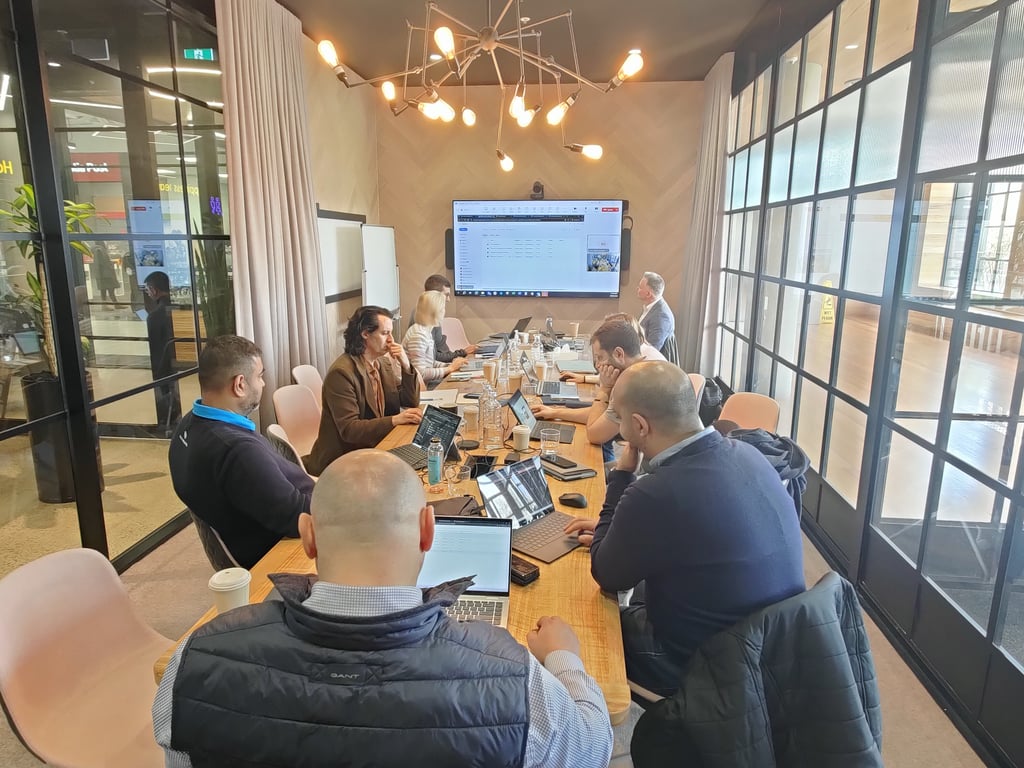
Accountability within a peer network is crucial for fostering a culture of progress and clarity. Leaders often underestimate the value of being held accountable for their financial decisions. At My Business Team, we create an environment where members actively support each other's financial objectives, ensuring consistent progress monitoring.
For instance, a founder considering a significant investment can present their financial projections to the group. This not only offers an opportunity for constructive feedback but also reinforces the commitment to accountability. When peers challenge assumptions and provide insights, leaders leave meetings with a clearer action plan, fostering a sense of purpose and direction.
Practical Checklist for Financial Clarity
- Track Your KPIs: Identify and monitor key performance indicators relevant to your business to maintain awareness of your financial health.
- Conduct Regular Financial Reviews: Schedule monthly or quarterly financial check-ins to evaluate performance and make necessary adjustments.
- Set Clear Financial Goals: Define specific, measurable financial objectives to guide decision-making and align team efforts.
- Engage in Peer Discussions: Share financial insights with peers to gain diverse perspectives and identify potential blind spots.
- Embrace Transparency: Cultivate an environment where financial discussions are open and honest, promoting trust and collaboration.
Frequently Asked Questions
What are the essential business numbers I should track?
Key metrics include cash flow, profit margins, revenue growth, and customer acquisition costs. Understanding these figures is crucial for informed decision-making.
How can I make financial discussions less intimidating for my team?
Normalise financial conversations by fostering a culture of openness. Encourage team members to ask questions and share insights, creating an environment where everyone feels comfortable discussing numbers.
Why is accountability important in financial decision-making?
Accountability ensures leaders are responsible for their financial strategies, promoting better decision-making and driving sustainable growth.
How can peer advisory groups enhance my understanding of financial metrics?
Peer advisory groups provide diverse perspectives and constructive feedback, enabling leaders to analyse their financial metrics effectively and identify potential blind spots.
What should I do if I feel overwhelmed by financial data?
Break down complex metrics into manageable components. Focus on the most relevant numbers and seek support from peers or mentors to enhance your understanding.
In business leadership, knowing your numbers is not optional; it is vital for sustainable growth. By cultivating a culture of accountability and collaboration, leaders can refine their decision-making processes, steering their businesses toward success. If you are ready to explore how My Business Team can support you on this journey, get in touch today.

Transforming Leadership Through Collaborative Support
In the realm of business leadership, the misconception of solitary decision-making often leads to costly mistakes. Many founders believe they must face challenges alone, fostering isolation that breeds decision fatigue and curtails growth opportunities. This article will illuminate how My Business Team's structured peer advisory framework empowers founders to make informed decisions by embracing collaboration.
The Hidden Costs of Isolation
The belief that independence in decision-making equates to strength is a common yet detrimental mindset. This isolation can lead to decision fatigue, where unresolved issues accumulate, resulting in stagnation. Without access to diverse perspectives, founders risk overlooking critical blind spots in their strategic planning. At My Business Team, we assert that collaboration is not merely beneficial; it is fundamental for effective leadership.
By connecting founders across various sectors, we cultivate an environment rich in shared experiences and insights. For example, a member grappling with market expansion can draw on the collective wisdom of peers who have successfully navigated similar challenges. This collaborative approach enhances clarity and builds confidence, empowering founders to take decisive actions.
Accountability: A Driver of Progress
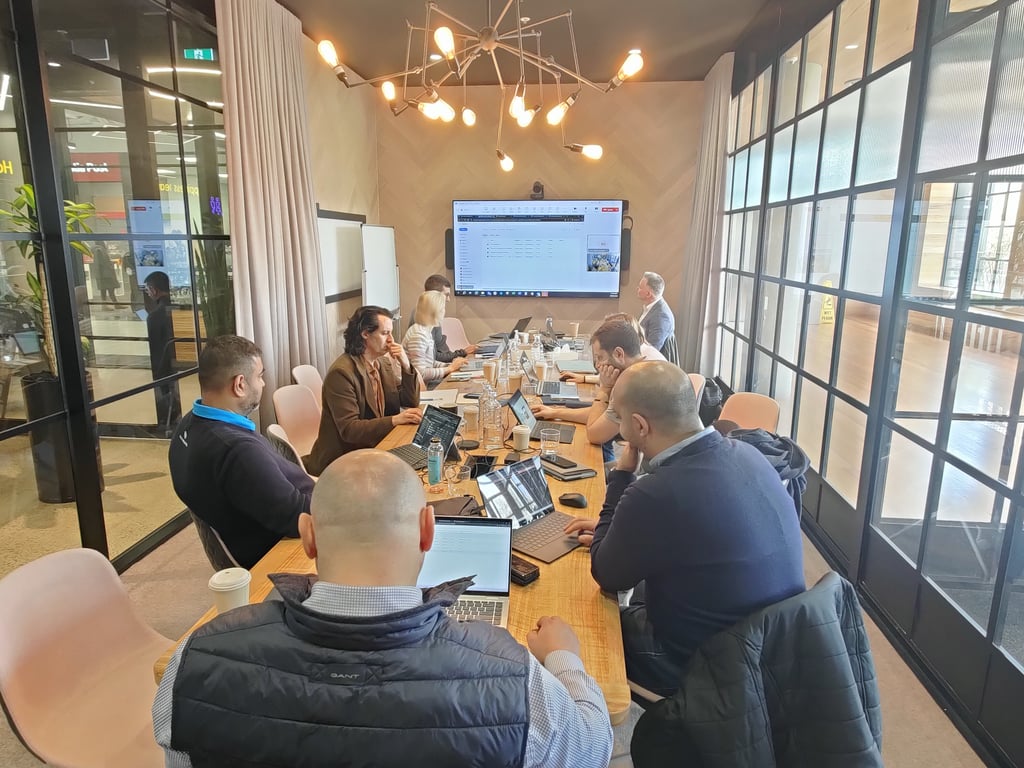
Many founders underestimate the importance of accountability in their roles. Without a reliable support system, it is easy to second-guess decisions and hesitate. My Business Team's monthly peer advisory boards foster a culture of accountability where members actively support each other's goals, ensuring consistent progress monitoring.
Consider a founder contemplating a significant strategic pivot. By presenting their strategy to the group, they receive constructive feedback that challenges their assumptions and propels them toward decisive action. This network fundamentally reshapes how founders tackle challenges, ensuring they leave each meeting with a clear action plan. Accountability cultivates a shared commitment to growth, instilling a stronger sense of purpose and direction among members.
Action-Oriented Meetings: Bridging Insight and Implementation
In many professional networks, discussions can become theoretical, yielding little beyond a superficial exchange of ideas. My Business Team distinguishes itself by ensuring that every meeting concludes with actionable insights. Members depart with specific tasks tailored to their business contexts, whether that involves reaching out to potential partners or refining strategies based on peer feedback.
This commitment to action guarantees that conversations lead to real-world outcomes. For example, one member may leave a meeting with a clear plan to implement a new marketing strategy, while another gains insights on optimising operational processes. This focus on execution reinforces the principle that insights without action are simply noise.
Common Missteps in Peer Advisory Engagement
Even in a supportive environment, founders can inadvertently fall into traps that hinder their progress. Here are some common pitfalls to avoid:
- Neglecting Accountability: Missing accountability meetings can result in lost focus and direction, ultimately stalling progress.
- Overlooking Action Items: Failing to implement agreed-upon strategies can lead to missed opportunities and increased frustration.
- Disregarding Peer Feedback: Ignoring insights from peers can prevent leaders from identifying critical blind spots in their strategies.
Recognising and avoiding these pitfalls is essential for maximising the benefits of peer advisory groups. By remaining vigilant and proactive, leaders can fully use their community's potential.
Practical Checklist for Effective Peer Advisory Engagement
- Attend meetings consistently: Regular attendance reinforces commitment to growth and accountability.
- Prepare specific challenges: Clearly articulating challenges promotes productive discussions and targeted feedback during meetings.
- Engage actively with peers: Sharing insights and providing constructive feedback enhances collaboration and builds trust within the group.
- Implement actionable tasks: Following through on agreed-upon strategies ensures that insights translate into tangible results.
- Seek diverse perspectives: Embrace the varied experiences of peers to uncover innovative solutions and broaden strategic thinking.
Frequently Asked Questions
What is the main benefit of joining My Business Team?
Joining My Business Team provides founders with a structured support network that fosters collaboration, accountability, and actionable insights.
How does accountability work within the peer advisory boards?
Members hold each other accountable through regular meetings, where goals are discussed, progress is monitored, and constructive feedback is provided.
How do meetings at My Business Team differ from other professional networks?
Our meetings focus on actionable insights, ensuring that members leave with clear tasks and strategies to implement, rather than just theoretical discussions.
Can I expect immediate results from participating in peer advisory boards?
While immediate results can vary, the structured support and collaborative environment at My Business Team are designed to enhance decision-making and drive long-term success.
Collaboration is not just a strategy; it is essential for thriving in today's complex business environment. My Business Team empowers founders to overcome isolation and enhance their decision-making capabilities through structured support and accountability. Engage with us to elevate your leadership journey.

Transforming Leadership Through Collaborative Support
Navigating the complexities of business can be daunting, particularly when leaders attempt to tackle challenges alone. This isolation often leads to decision fatigue, stifling growth and limiting opportunities. At My Business Team, we understand that the right support network is essential for turning obstacles into actionable strategies.
By the conclusion of this article, you will grasp how My Business Team's structured approach alleviates decision fatigue and cultivates a community that empowers leaders to make informed, decisive actions.
The Cost of Isolation in Leadership
Many leaders mistakenly believe they can handle business challenges independently. This often results in decision fatigue, where unaddressed issues accumulate, leading to stagnation and missed opportunities.
Operating in isolation restricts access to diverse perspectives that can illuminate blind spots in strategic thinking. The absence of external input fosters a narrow focus, stifling innovative solutions. At My Business Team, we believe collaboration is not merely advantageous; it is vital. By connecting leaders from various sectors, we create an environment where shared experiences and insights enhance clarity and confidence.
Accountability as a Driver of Progress
Accountability is a crucial yet often undervalued component of effective leadership. Leaders frequently grapple with dilemmas without a reliable support system, which can lead to hesitation and second-guessing.
In contrast, our monthly peer advisory boards at My Business Team foster a culture of accountability. Members are dedicated to supporting each other's goals. For example, a leader contemplating expansion can present their strategy to the group, receiving constructive feedback that challenges assumptions and propels decisive action. This support network fundamentally alters how leaders address their challenges, ensuring they leave each meeting with a clear action plan.
Crucially, accountability transcends mere progress tracking; it nurtures a shared commitment to growth. When leaders hold each other accountable, they cultivate a stronger sense of purpose and direction.
Leveraging Individual Strengths for Team Success
A frequent oversight among leaders is undervaluing the importance of individual strengths within team dynamics. At My Business Team, we employ tools like the Clifton Strengths Assessment and DiSC profiles to form tailored peer groups grounded in complementary strengths.
This strategic alignment enhances collaboration and sparks richer discussions. For instance, pairing a member with strong analytical skills alongside another who excels in creative problem-solving can yield innovative solutions that neither could achieve independently.
This methodology maximises each member's potential and builds a collective intelligence that propels business success. Recognising that collaboration can amplify individual strengths is a significant advantage for many leaders.
Action-Driven Meetings for Real Results
In numerous professional networks, discussions can devolve into theoretical exchanges, yielding little more than a warm exchange of ideas. My Business Team distinguishes itself by ensuring each meeting concludes with actionable insights.
Members depart with specific tasks pertinent to their business contexts, whether it involves reaching out to potential partners or refining strategies based on peer feedback. This commitment to action guarantees that conversations translate into real-world outcomes, enabling members to monitor progress and adjust accordingly.
The focus on execution reshapes how leaders approach their challenges, reinforcing the principle that insights without action are merely noise.
Common Pitfalls in Peer Advisory Engagement
Even in a supportive environment, leaders can stumble into traps that undermine their potential. Here are common mistakes to avoid:
- Neglecting Accountability: Missing accountability meetings can lead to lost focus and direction, ultimately stalling progress.
- Overlooking Action Items: Failing to implement agreed-upon strategies can result in missed opportunities and increased frustration.
- Ignoring Peer Feedback: Disregarding insights from peers can prevent leaders from identifying critical blind spots in their strategies.
Recognising and avoiding these pitfalls is essential for maximising the benefits of peer advisory groups. By remaining vigilant and proactive, leaders can fully use the potential of their community.
Practical Checklist for Effective Peer Advisory Engagement
- Attend meetings consistently to maintain accountability and connection, reinforcing commitment to growth.
- Prepare specific challenges to promote focused and productive discussions during meetings.
- Actively engage with peers by sharing insights and providing constructive feedback, enhancing collaboration.
- Follow through on action items discussed, ensuring insights translate into tangible outcomes.
- Reflect on feedback received during meetings to identify areas for personal and professional growth.
Frequently Asked Questions
What role does accountability play in peer advisory groups?
Accountability ensures members support each other in reaching their goals, fostering a culture of commitment and shared growth.
How does My Business Team facilitate collaboration among its members?
We utilise strengths assessments to strategically group members based on complementary skills, enhancing collaborative efforts.
What types of action items can I expect after meetings?
Members leave with specific, actionable tasks relevant to their business context, ensuring discussions lead to concrete outcomes.
How can I maximise my participation in peer advisory meetings?
By attending regularly, preparing specific challenges, and actively engaging with peers, you can significantly enhance your experience and the value you gain.
What should I do if I feel overwhelmed by my business challenges?
Reach out to your peer advisory group for support. Sharing your challenges can provide new perspectives and solutions you may not have considered.
The path to effective leadership is often obscured by isolation and indecision. At My Business Team, we believe that practical support and collaborative engagement can illuminate the way forward. Join us to discover how structured support can transform your leadership journey.

Cultivating Trust and Growth: The My Business Team Approach
In the complex world of business, a perceived marketing issue often masks a more significant challenge: a lack of clarity. Leaders may find themselves entangled in competing priorities, resulting in decision fatigue and stagnation. Clarity is essential; it fosters trust and empowers leaders to execute well-crafted strategies effectively.
This article will illuminate how My Business Team's structured approach addresses common business challenges while cultivating a community that enables leaders to make informed decisions, ultimately promoting sustainable growth.
The Importance of Accountability
Accountability is foundational to effective leadership. Many leaders navigate complex issues without a reliable sounding board, leading to frustration and inertia. My Business Team's monthly peer advisory boards are specifically designed to counteract this problem. Members commit to holding each other accountable for their goals and progress, establishing a robust support system that transforms how leaders address their challenges.
Imagine a leader facing a pivotal decision about expansion. Without accountability, they may hesitate, second-guessing their instincts. Within the supportive framework of My Business Team, they can present their dilemma to peers who offer diverse perspectives and challenge assumptions. This collaborative effort alleviates individual pressure and enhances overall business performance, empowering leaders to make confident decisions.
The Necessity of Peer Connection
Isolation can significantly diminish a leader's effectiveness. My Business Team acknowledges this reality and cultivates an environment where members can openly share their struggles and successes. Peer connection is not optional; it is essential for sustainable growth.
Blake Read, CEO of Beach Burrito Co., exemplifies this dynamic. He attributes his realignment with purpose and the establishment of clear strategies to the group. This underscores a vital insight: breakthroughs often remain elusive when pursued alone. In contrast, the supportive community within My Business Team can serve as a catalyst for clarity and action, transforming challenges into opportunities for growth.
Customised Growth Through Strengths Assessment
A frequent misstep among leaders is underestimating the impact of individual strengths on collective success. My Business Team utilises tools like the Clifton Strengths Assessment and DiSC profile to personalise the experience for each member. By identifying individual strengths and styles, members are strategically grouped with complementary capabilities.
This tailored approach enhances collaboration and growth opportunities. For example, a member skilled in analytics may be paired with a colleague excelling in creative problem-solving. This thoughtful alignment fosters richer discussions and more innovative solutions. After each session, members depart with actionable insights, poised to implement strategies tailored to their unique business contexts. This is not theoretical; it is a practical application of knowledge that drives meaningful results.
Action-Oriented Focus for Tangible Outcomes
While many networking groups engage in discussions that lack follow-through, My Business Team prioritises action. Each meeting concludes with clearly defined action items, ensuring that conversations lead to concrete outcomes. This emphasis on execution sets My Business Team apart from other networking groups.
For instance, a member might leave a meeting with a specific action plan, such as reaching out to potential partners or refining a marketing strategy based on peer feedback. By maintaining a results-oriented mindset, members can track their progress and adjust strategies as needed. This adaptability is crucial in a dynamic business environment, enabling leaders to pivot effectively and seize emerging opportunities.
Common Mistakes to Avoid
Even with a strong support system, leaders can fall into traps that hinder their growth. Here are some common mistakes to watch for:
- Neglecting Accountability: Missing accountability meetings can lead to lost focus and direction, ultimately stalling progress.
- Overlooking Action Items: Failing to implement agreed-upon strategies can result in missed opportunities and increased frustration.
- Ignoring Peer Feedback: Disregarding insights from peers can prevent leaders from identifying blind spots in their business strategies.
Avoiding these pitfalls is crucial for maximising the benefits of peer advisory groups. By staying vigilant and proactive, leaders can fully use their community's potential.
Practical Checklist for Effective Peer Advisory Engagement
- Attend meetings regularly to maintain accountability and connection, reinforcing commitment to growth.
- Prepare specific challenges to foster focused and productive conversations, maximising peer insights.
- Actively seek and provide feedback, nurturing a culture of trust and openness to enhance collective learning.
- Establish clear, actionable goals at the end of each meeting to ensure ongoing progress and accountability.
- Reflect on the feedback received and adjust strategies to align with growth objectives, fostering a mindset of continuous improvement.
Frequently Asked Questions
What type of businesses can benefit from My Business Team?
Any established medium-sized business can thrive in the collaborative, accountability-driven environment that My Business Team offers.
How often do members meet?
Members participate in monthly full-day meetings, supplemented by fortnightly accountability catch-ups via Zoom.
Is there a specific process for joining?
Yes, upon acceptance, new members undergo a strengths assessment to ensure they are placed in the appropriate peer group.
What can I expect from my first meeting?
Your first meeting will include introductions, an overview of the group's structure, and an opportunity to share your current challenges and goals.
By fostering a community that emphasises clarity, accountability, and tailored growth, My Business Team empowers leaders to navigate the complexities of the business environment with confidence. Embracing these principles can transform your approach to challenges, cultivating trust and driving sustainable growth.
Cultivating Business Clarity: How My Business Team Drives Sustainable Growth
In an environment where business leaders often experience isolation and uncertainty, clarity and support are vital. Entrepreneurs frequently contend with decision fatigue, unsure of their next moves amid competing priorities. My Business Team addresses this challenge by providing a structured framework that promotes collaboration and accountability.
By the conclusion of this article, you will grasp how My Business Team's approach not only tackles prevalent business challenges but also nurtures a community that empowers leaders to make informed decisions and foster growth.
The Pillar of Accountability
Accountability lies at the heart of My Business Team's philosophy. Many leaders encounter complex issues without a dependable sounding board, leading to stagnation and frustration. Through participation in monthly peer advisory boards, members commit to holding one another accountable for their goals and progress.
This structured support system transforms the way leaders confront their challenges. Instead of tackling issues in isolation, they benefit from a diverse network of peers who provide varied perspectives and insights. This collaborative effort not only alleviates individual pressure but also enhances overall business performance.
The Value of Peer Connection
Isolation can significantly undermine a leader's effectiveness. My Business Team recognises the necessity of peer connection, cultivating an environment where members can candidly share their struggles and successes. Such peer-to-peer interactions foster trust and facilitate honest feedback – elements often missing in conventional business environments.
Blake Read, CEO of Beach Burrito Co., remarked on how the group helped him realign with his purpose and establish clear strategies. This underscores the potential for a supportive community to catalyse breakthroughs that might remain elusive in solitude.
Tailored Growth Through Strengths Assessment
My Business Team utilises tools like the Clifton Strengths Assessment and DiSC profile to customise the experience for each member. By identifying individual strengths and styles, members are strategically grouped in teams that complement their capabilities. This deliberate approach optimises opportunities for collaboration and growth.
After each session, members leave with actionable insights, prepared to implement strategies tailored to their unique business contexts. This is not merely theoretical discussion; it represents a practical application of knowledge that drives meaningful results.
Focused Action for Tangible Outcomes
The emphasis on action is a hallmark of My Business Team's methodology. Each meeting concludes with clearly defined action items, ensuring discussions translate into concrete outcomes. This focus on execution distinguishes My Business Team from other networking groups.
By maintaining a results-oriented mindset, members can monitor their progress and adjust their strategies as necessary. This adaptability is particularly advantageous in a dynamic business environment, enabling leaders to pivot effectively.
Common Mistakes to Avoid
Even with a robust support system, leaders can encounter pitfalls that impede their growth. Here are some common mistakes to be mindful of:
- Neglecting Accountability: Missing accountability meetings can result in a loss of focus and direction, ultimately hindering progress.
- Overlooking Action Items: Failing to implement agreed-upon strategies can lead to missed opportunities and increased frustration.
- Ignoring Peer Feedback: Disregarding insights from peers can prevent leaders from recognising blind spots in their business strategy.
Steering clear of these pitfalls is essential for maximising the advantages of peer advisory groups.
Practical Checklist for Effective Peer Advisory Engagement
- Attend meetings regularly to sustain accountability and connection.
- Come prepared with specific challenges to foster focused and productive conversations.
- Actively seek and provide feedback, nurturing a culture of trust and openness among peers.
- Establish clear, actionable goals at the end of each meeting to ensure ongoing progress.
- Reflect on the feedback received and adjust strategies accordingly to align with growth objectives.
Frequently Asked Questions
What type of businesses can benefit from My Business Team?
Any established medium-sized business can gain from the collaborative and accountability-driven environment that My Business Team provides.
How often do members meet?
Members engage in monthly full-day meetings, complemented by fortnightly accountability catch-ups via Zoom.
Is there a specific process for joining?
Yes, upon acceptance, new members undergo a strengths assessment to ensure they are placed in an appropriate peer group.
What can I expect from my first meeting?
Your first meeting will include introductions, discussions of current challenges, and the establishment of a foundation for future conversations and accountability.
How does My Business Team measure success?
Success is gauged through the growth and progress of each member, alongside the collective achievements of the group.
As you contemplate your next steps in business, recognise that clarity and community are fundamental in navigating the complexities of leadership. My Business Team offers a structured yet supportive environment that can enhance your growth objectives with confidence.